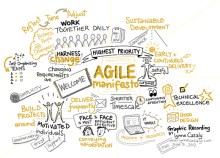
Management and Agile leadership are usually projected as synonym terms, however they differs hugely from each other. Managers focuses more on making the team work where agile leader needs to embrace the agile principles of being flexible and adaptable along with motivating others to follow them. Main differences:
| Management | Agile Leadership |
| Management focuses on tasks | Leadership is about people |
| Management focuses on control | Leadership is about empowering and letting people control |
| Management focuses on efficiency | Leadership is about effectiveness |
| Management focuses on doing things right | Leadership is about doing the right things |
| Management focuses on speed | Leadership is about direction |
| Management focuses on practices | Leadership is about principles |
Looking at this, agile leadership varies from management because leadership comes by right and not by appointment. The right to lead has to be earned by the agile leader by gaining respect from the team.
Agile Leadership means:
- Being a model: An agile leader should been seen as a model of desired behavior and should demonstrate the four characteristics of a leader: Honesty, Forward looking/thinking, Competent and Inspiring.
- Creating and communicating a vision: An agile leader should be able to set forth a compelling vision for the team. The communication should be in an inspiring manner that will channelize everyone’s energy.
- Enable others to act: Agile leadership involves trusting the team to do the work and also enabling them so that they are able to perform the work.
On top of that, an agile leader needs to pursue certain leadership practices in order to enable smooth work process and successful project development.
Best Practices of Agile Leadership:
- Willingness to change/challenge the status quo: An agile leader should be willing to take the bull by its horns in order to enforce a change. He or she should be capable of handling risks, learning from mistakes and generating small victories.
- Getting the right people involved: The most important requirement for successful development of projects and daily work is having an efficient (agile) team. An agile leader should find a way to get the right team in place.
- Encouraging the team members: Besides leading, an agile leader should also know how to show appreciation, reward and recognition to the agile team those who work with him or her in the project.
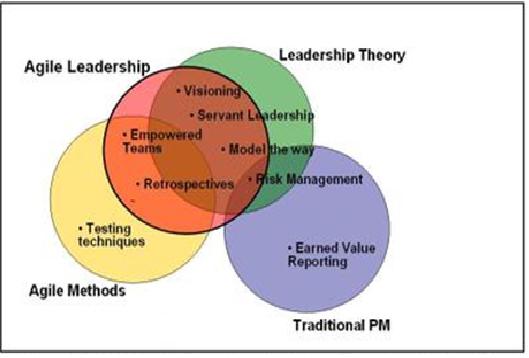

 agile hrbp